



TOHO HOLDINGS History
From the past to the future—to create the new normal one step ahead
TOHO HOLDINGS’ history is the history of pharmaceutical distribution in Japan
Our history of continuous evolution in response to changes in the healthcare environment and customer needs
1948-2026


Founded TOHO PHARMACEUTICAL
1948-1967
In 1948, founder Yoshinori Matsutani established TOHO PHARMACEUTICAL (now TOHO HOLDINGS) in Kitazawa, Setagaya-ku, Tokyo. Undaunted by the postwar turmoil, all employees, including Matsutani,
packed pharmaceuticals into backpacks and worked hard to build sales routes.
In 1959, we formed our first business alliance with a pharmaceutical wholesaler in Ikebukuro,
and the business was taken over by the Ikebukuro branch of TOHO PHARMACEUTICAL.
This was the beginning of TOHO PHARMACEUTICAL’s market share expansion.
Subsequently, in 1963, market development gained momentum with the establishment of the team leader system.
1948
Founded TOHO PHARMACEUTICAL
Drawing on his experience selling pharmaceuticals and publishing medical books during the war, founder Yoshinori Matsutani established TOHO PHARMACEUTICAL shortly after the war. With a capital of 300,000 yen and a total of seven employees, we started selling pharmaceuticals.
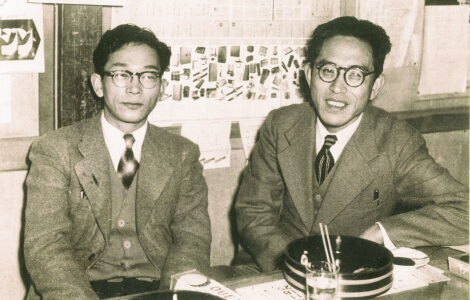
Established Osaka branch
1949
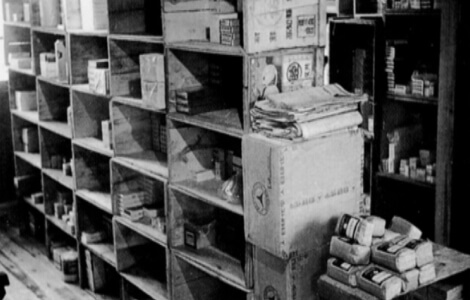
Acquired a license as a general pharmaceutical distributor
Osaka branch started operations with two employees
Established a plant in Zoshigaya, Bunkyo-ku, Tokyo, and began production of clinical reagents
1950
Approved as a pharmaceutical manufacturer and started manufacturing pharmaceuticals
1951
Shifted from subcontracted production to in-house production for 20 items
1952
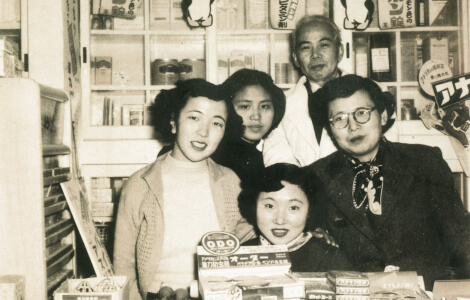
Launched injectable and oral formulations of in-house product Neo-cyancor
Toho Pharmacy, a retail pharmacy, opened in Kitazawa, Setagaya-ku, Tokyo
1959
Formed business alliance with Sanoh Eiyaku (Ikebukuro, Toshima-ku, Tokyo) and joined its management
1963
Market development gained momentum with the establishment of the team leader system
Matsutani sought to develop a system that would allow individuals to maximize their potential, and established “teams,” the smallest units of the company’s decentralized organizational structure (a team leader system).
Under an independent accounting system, he established a unique framework in which the company would not interfere in any way with sales policies or other matters as long as profits were secured.

The path to becoming a national wholesaler
1968-1977
Since our foundation in Setagaya-ku, Tokyo, we expanded our market share primarily in Tokyo and marked our 20th anniversary.
We continued to expand our network of partners and branches throughout the Tokyo metropolitan area, and further into the Chubu, Tokai, and Tohoku regions, paving the way to become a nationwide pharmaceutical wholesaler, i.e. a national wholesaler.
1968
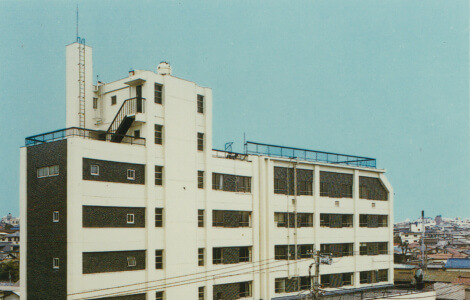
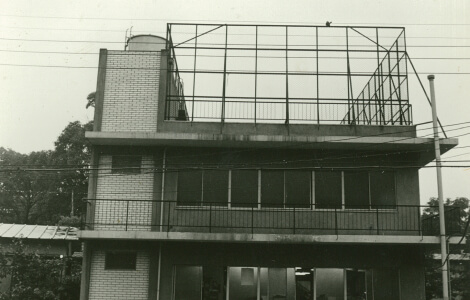
Construction of a new headquarters building in Daizawa, Setagaya-ku
Established Chuo branch
1969
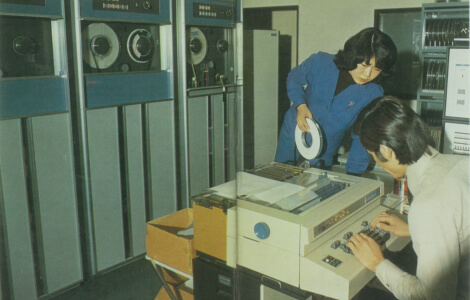
Introduction of systems to streamline logistics
Amid the ongoing computerization of society, we introduced Fujitsu computers to streamline logistics and automate inventory management. Since then, we continued to expand our use of computer systems to handle accounting, payroll, and other related tasks.
1970
Established TOHOKU PHARMACEUTICAL
With the aim of expanding business in a wider area, we actively opened branches mainly in the Tokyo metropolitan area.
In 1970, we expanded into the Tohoku region for the first time and established TOHOKU PHARMACEUTICAL.
1971
Established Koriyama branch, the first branch in the Tohoku region
1976
Established Omori branch

Strengthening the management foundation and preparing
for a leap forward
1978-1990
With the enactment of the revised Pharmaceutical Affairs Law in 1979, various legal obligations were imposed, accelerating the reorganization of the industry. The Company revamped its internal management structure to keep up with the changing times and became the first company in the industry to go public on the Over-the-Counter market.
In addition, to establish an efficient and prompt logistics system, we launched the Tokyo Block distribution center, taking our first step toward comprehensive logistics.
1980
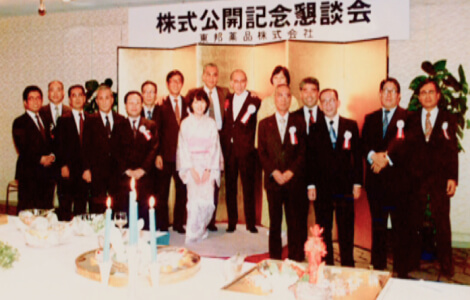
Registered on the OTC (over-the counter) market
1983
Introduced the first-generation order entry system (MCA System)
At a time when the shift toward electronic data processing was gaining momentum in the pharmaceutical distribution industry, we developed a portable order-taking terminal for sales representatives. In 1983, the MCA (Multi-Channel Access) system was completed, revolutionizing sales information, purchase reconciliation, accounting processes, and other operations.
1986
Released an inventory management system,
as the first customer support system
We developed an inventory management system, a pioneering customer support system, for national hospitals and other customers.
1988
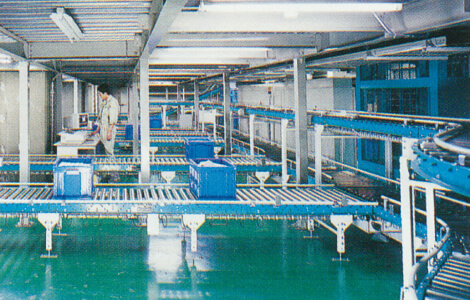
Established Tokyo Block distribution center (later TBC Heiwajima) in Ota-ku, Tokyo
The Company spun off its headquarters IT division to establish TOHO SYSTEMS SERVICE
1990
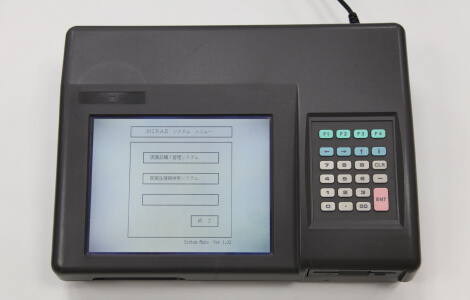
"CM-1000MIRA"
The CM-NET Council was established. The following year, we launched CM-1000MIRA, a terminal for managing pharmaceutical orders and inventory

Transition to the new invoice price system and management innovation
1991-1998
With the transition to the new invoice price system, the responsibility for setting prices,
which had previously been handled by pharmaceutical companies, shifted to wholesalers, marking the dawn of a new era.
The Company implemented various management reforms, including the abolition of the team leader system.
Around the same time, we also launched the MAXIS Project as part of our 45th-anniversary commemorative initiatives.
Furthermore, starting with LXMATE, an automated medical care appointment system developed to meet customer needs, we released a series of customer support systems one after another.
1991
Established Saitama distribution center (later TBC Omiya) in Saitama
Appointed Makoto Matsutani as President
1992
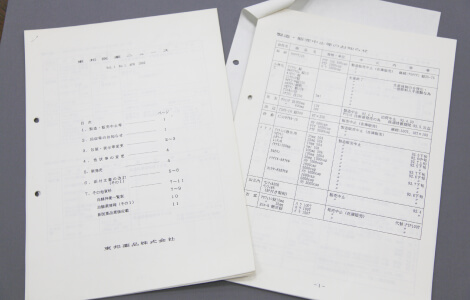
(a pharmaceutical information journal; later "ENIF Iyaku News")
Launched "Toho Iyaku News" (a pharmaceutical information journal; later "ENIF Iyaku News")
1993
Started the MAXIS project to mark the company’s 45th anniversary
We launched the MAXIS Project as part of our 45th-anniversary commemorative initiatives. We implemented initiatives such as corporate identity (CI) activities, a new training program and the construction of a training center, the strengthening of internal communication, and social contribution activities.
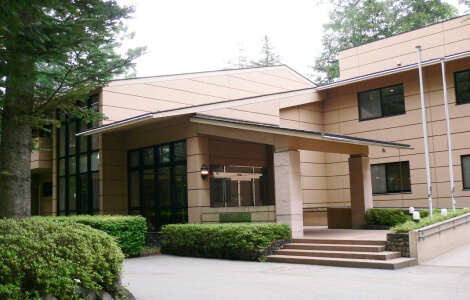
Abolished the team leader system
Under the team leader system, there were numerous local rules in place, such as no transfers and the guarantee that branch managers would hold their positions for life. In order to keep up with the changing times, the Company spent several years working to abolish the team leader system and introduce a new sales system.
1995
Released "LXMATE, " an automated medical care appointment system
With the goal of eliminating waiting times at the hospital, we developed LXMATE, which serves as the foundation for our series of automated medical care appointment systems. By utilizing an automated voice guidance system over the phone, patients could make appointments even outside of regular consultation hours. This innovative concept of appointment-based care was well-received also by medical institutions, as it allowed them to prepare medical records in advance.
1996
Made Eimei a subsidiary and launched its logistics base as TBC Higashiosaka in Osaka
1997
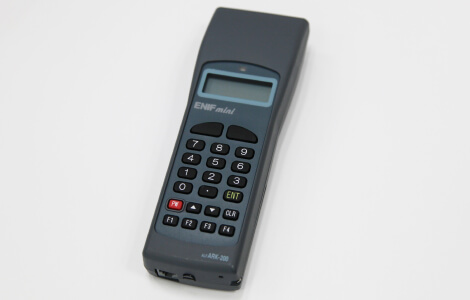
Released "ENIFmini, " an information terminal for pharmaceutical ordering
Over the course of three years, we developed the ENIFmini pharmaceutical ordering terminal. The system, which provided delivery updates whenever customers placed orders using the device, was groundbreaking at the time and garnered widespread support from our customers.
Released "ENIFwin, " an inventory control system for large hospitals
1998
Established TBC Sano (an OTC logistics center) in Tochigi
Released "eniFAX" (later "ENI Pharmacy"), a prescription FAX system
Launched "ENIFclub, " a service for members
Opened "PFP (Pharmacy For Pharmacies)" (later "PFP Daizawa") in Tokyo, following the launch of the prescription drug split-sales business

Established Kyoso Mirai Group
1999-2008
The Company formed capital and business alliances with pharmaceutical wholesalers nationwide,
leading to the establishment of the "Kyoso Mirai Group, " centered around The Company, in 1999.
In 2002, the Company was listed on the Second Section of the Tokyo Stock Exchange,
and two years later, it was promoted to the First Section.
We also continued to pursue new challenges, including forming alliances across different business sectors.
1999
Established Kyoso Mirai Group
Formed the Kyoso Mirai Group in collaboration with pharmaceutical wholesalers across Japan. While respecting the uniqueness of each company closely related to regional characteristics, we implemented initiatives, such as the shared use of systems and joint sales promotions. This is the origin of the Company's concept of Kyoso Mirai (co-creation of the future).
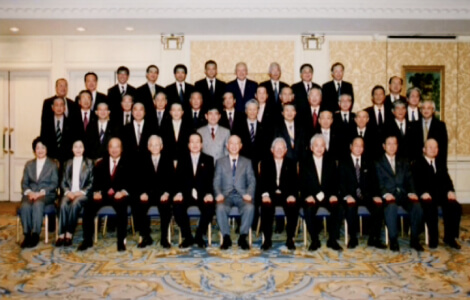
Appointed Takaaki Matsutani as President
2000
Opened a call center
Released "LXMATE HeLios"
2002
Listed on the Second Section of Tokyo Stock Exchange
2003
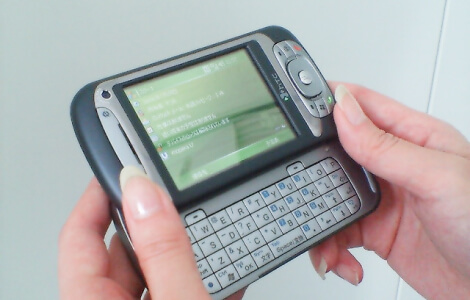
Implemented the MS support system via PDA
Released "Pharmacist Web Learning"
2004
Introduced a voice recognition system to the call center
We introduced a voice recognition system developed in-house to our call centers. This system transcribed phone conversations and sent the transcripts via email to our Marketing Specialists (MSs), and generated daily reports on call histories for relevant personnel, enabling us to conduct sales activities with even higher quality than before.
Listed to the First Section of the Tokyo Stock Exchange
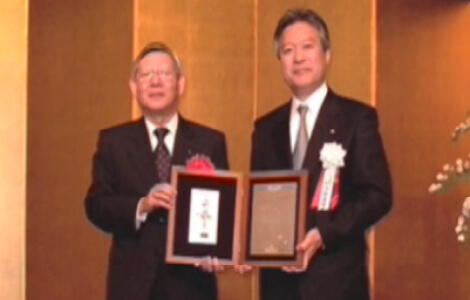
Constructed the new building in Daizawa, Setagaya-ku
Established TBC Okayama in Okayama and TBC Sapporo Branch in Hokkaido
Made Yakushin a wholly owned subsidiary
2005
Made Godo Toho a subsidiary and transferred pharmaceutical sales operations in Osaka and Hyogo Prefectures
Entered into a business alliance with HOKUYAKU, VITAL-NET, Nabelin, Nakakita Yakuhin, KSK, and ASTEM
Made Kinoshita Yakuhin a wholly owned subsidiary
Appointed Norio Hamada as President
Merged Kinoshita Yakuhin into Godo Toho
In March 2005, IWABUCHI PHARMACEUTICAL and OMWELL joined the existing seven-company business alliance, and the nine companies established “HEREON” as a joint operating company
2006
Developed and introduced "Meissa," a sales support terminal
In line with the expansion of sales operations, we developed and introduced the Meissa, a device equipped with voice recognition function. With just this single device, users can perform real-time inventory and product price searches, process orders, and more. Subsequently, we launched a sales information service for pharmaceutical companies utilizing Meissa.
Published the direct magazine "Urara" (later renamed "Karakoro")
Made Tsuruhara Yoshii a wholly owned subsidiary
Merged Tokai Toho into TOHO PHARMACEUTICAL
Established TBC Tokyo in Shinagawa-ku, Tokyo
2007
Merged YAKUSHIN into Tsuruhara Yoshii (renamed Kyushu Toho)
Entered into a business alliance with OHKI and KOKUBU
Invested in Jointown Pharmaceutical Group in Wuhan, China
Released "SELENE," an internet medical examination appointment system
2008
Opened West Japan Call Center
Made Mori Pharmaceutical a wholly owned subsidiary
Made Honma Toho and KOYO wholly owned subsidiaries
Established KyosoMirai in pharmacy
Made Yamaguchi Toho and Ogawa Toho wholly owned subsidiaries
Made Sue Pharmaceutical and Ethos wholly owned subsidiaries

Shifted to a pure holding company structure
2009-2019
We took on a variety of initiatives with the goal of enhancing the corporate value of the entire Group.
In 2009, we transitioned to a holding company structure. We changed our corporate name to TOHO HOLDINGS
and established the pharmaceutical wholesaling business and the dispensing pharmacy business as our two main businesses.
In 2016, we also launched a pharmaceutical manufacturing and sales business.
Meanwhile, the Great East Japan Earthquake that occurred in 2011 led us
to reaffirm our social responsibility as a pharmaceutical wholesaler.
We continued to further strengthen our safe and reliable pharmaceutical distribution system
to ensure a stable supply of pharmaceuticals even in the event of a disaster.
2009
Changed the company name to TOHO HOLDINGS
We transitioned to a holding company structure to boost the Group's corporate value. The Company changed its name to TOHO HOLDINGS. Its operations were transferred to a pharmaceutical wholesaling subsidiary (TOHO PHARMACEUTICAL ) and a dispensing pharmacy subsidiary (PHARMA CLUSTER).
Made Nagaoka Yakuhin a wholly owned subsidiary
Merged Nagaoka Yakuhin into Honma Toho
Merged Mori Pharmaceutical into Kyushu Toho
Made OMWELL a wholly owned subsidiary
Relocated to the Ochanomizu Office
Held the "Pharmacy Fair"
Released "ENIFvoice" (later "ENIFvoice SP"), a voice-recognition electronic medication history recording support system
Opened a showroom within the Ochanomizu Office aimed at supporting the opening of new clinics and pharmacies
2010
Released "Byouin-Navi Homepage Service"
Merged OMWELL into SANUS (renamed SAYWELL)
Made ASUCOME a wholly owned subsidiary
Established Hubei Kyoso Pharmaceutical in Wuhan, China, as a joint venture with Jointown Pharmaceutical Group
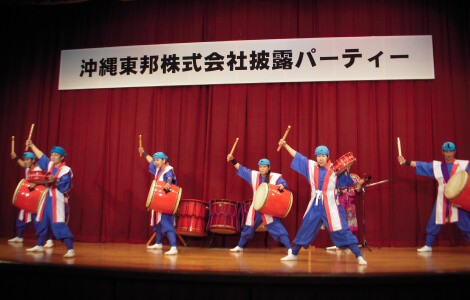
Made Okinawa Toho a wholly owned subsidiary
Merged ASUCOME into TOHO PHARMACEUTICAL
2011
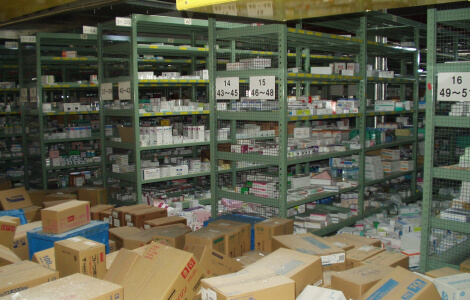
Established TBC Kyushu in Kumamoto
Made Shouei a wholly owned subsidiary
Made Koizumi Yakuhin a wholly owned subsidiary
Launched the "eKenkoshop" website and started a medicine reservation system
2012
Merged Shouei into TOHO PHARMACEUTICAL
Held the "Pharmacy Fair 2012"
Released "Initial examination reservation service"
Launched "ENIFme," a wholesale of medical materials in small lots
2013
Established Orphan Trust Japan
Merged Koizumi Yakuhin into TOHO PHARMACEUTICAL
Made Okinawa Sawai Pharmaceutical a wholly owned subsidiary
Merged Honma Toho, Yamaguchi Toho, Ogawa Toho, and Sue Pharmaceutical into TOHO PHARMACEUTICAL
Introduced a regional branch office system at TOHO PHARMACEUTICAL
Merged seven dispensing pharmacy companies (Tomonity, Pharma Square, Mirai, Nest, Jus-Pharma, Japan Pharmacy, and Yotsuba) to form PHARMA MIRAI
Established TBC Hanshin in Hyogo (with the West Japan Call Center); TBC Sapporo in Hokkaido (with the Sapporo Call Center); and TBC Saitama in Saitama
Released "Series of Dispensing ENI-Pharma”
2014
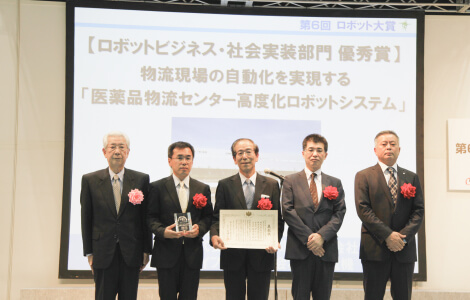
Received the Excellence Award (Robot Business and Social Implementation Category) at the Robot Award for TBC Saitama
The Advanced Robot System for Pharmaceutical Distribution Centers built at TBC Saitama received an Award of Excellence in the Robot Business and Social Implementation category in the 6th Robot Award. The system was recognized for achieving innovation in logistics services, including improvements in productivity, through the introduction of robots.
Merged Okinawa Sawai Pharmaceutical into Okinawa Toho
Relocated a portion of head office functions to the Marunouchi Office
Established Mirai Research Institute
Opened a showroom within the Marunouchi Office
2015
Relaunched TBC Omiya as an OTC logistics center
Shifted to an operating holding company structure
2016
Made seven generic pharmaceutical sales companies of the Taiyo Yakuhin Group and Taishodo wholly owned subsidiaries
Made Yell Pharmaceutical a wholly owned subsidiary
Made TAISHODO a wholly owned subsidiary
Opened "Mirai Nursery" within TBC Sapporo
Fully launched " KYOSOMIRAI PHARMA" as a pharmaceutical manufacturing and sales company
2017
Made MCOM kyushu and Nippou Medic wholly owned subsidiaries
Merged Godo Toho into TOHO PHARMACEUTICAL, and established Kansai branch office
Released "ENIFnurse" and "ENIFvoice SP+A"
Appointed Norio Hamada as Chairman, and Katsuya Kato as President
2018
Released "ENIFvoice Core"
Merged Kyoso Mirai Yamaguchi Pharmaceutical and Kyoso Mirai Hiroshima Pharmaceutical into SAYWELL
Merged Kyoso Mirai Fukuoka Pharmaceutical, Kyoso Mirai Oita Pharmaceutical, Kyoso Mirai Kumamoto Pharmaceutical and Kyoso Mirai Kagoshima Pharmaceutical into Kyushu Toho
Merged Kyoso Mirai Okinawa Pharmaceutical into Okinawa Toho
Made Hokuriku Toho a wholly owned subsidiary
Established TBC Hiroshima in Hiroshima
Launched the "SALM Solution System" logistics system
2019
Appointed Atsushi Udoh as President
Released "Future ENIF"

From "Create the Next Generation" to "Soaring into the Next Generation"
2020-2026
In 2020, we opened the large-scale, high-performance logistics center TBC DynaBASE and established a robust logistics system.
As the pharmaceutical market shifts its focus from the primary care sector to the specialty and rare disease sectors,
the Group has been actively promoting the development of a distribution network for specialty products.
In 2023, the Group formulated its Medium-term Management Plan 2023–2025 “Create the Next Generation”
as the foundation for building a new era for the Group.
In 2024, we formulated an action plan to accelerate the implementation of this Medium-term Management Plan
and enhance its effectiveness, and vigorously advanced these initiatives.
We are currently pursuing our new Medium-term Management Plan 2026-2028 "Soaring into the Next Generation" for further growth.
2020
Established TBC DynaBASE in Ota-ku, Tokyo
TBC DynaBASE has opened on the 2nd through 5th floors of DynaBASE, a high-performance logistics facility located within a wide-area transportation hub designated by the Tokyo Metropolitan Government for use during disasters. Situated inside the Ring Road No. 7, the facility enables the smooth supply of pharmaceuticals even during disasters through collaboration with government agencies.
Launched a remote detailing service in collaboration with enTouch
2021
Transferred WILL Heiwajima to the former TBC Tokyo site and relaunched as TBC WILL Shinagawa
Released "KAITOS," online medical examination / dosing guidance system
Merged three transportation companies to form "KYOSO LOGISTICS"
2022
Transitioned to the Prime Market of the Tokyo Stock Exchange
Acquired a portion of shares in AYM HD (currently AYUMI Pharmaceutical Holdings)
Established TBC Hokuriku in Ishikawa
Developed the "SALM FZ" constant temperature transportation device
Released "FutureENIF-WEB"
2023
Formulated the Medium-term Management Plan 2023-2025 “Create the Next Generation”
The Medium-term Management Plan 2023-2025 "Create the Next Generation" was formulated as the foundation for building a new era for the Group. The Plan consists of four pillars: Business transformation; Investment for growth and improvement of profitability; Sustainability management; and Improvement of capital efficiency and enhancement of shareholder returns.
Established a cooperative research laboratory with the National Institute of Advanced Industrial Science and Technology (AIST)
Launched the Daizawa Project and relocated head office functions to the Yaesu Office (Tokyo Midtown Yaesu)
Released " Kyoso Mirai Pharmacy Health Navi"
2024
Formulated an action plan based on the review results of the Management Strategy Committee
In order to accelerate the implementation of the Medium-term Management Plan and enhance its effectiveness, we formulated an action plan based on the results of verification by the Management Strategy Committee. The action plan sets out specific strategies and numerical targets aimed at driving the transformation of existing businesses and actively investing in growth areas to achieve sustainable growth in corporate value.
Merged Hokuriku Toho into TOHO PHARMACEUTICAL
Appointed Hiromi Edahiro as CEO and CFO
2025
Launched "L1MON," a delivery service for specialty products to patients’ homes
Released the Standard and Professional versions of " LXMATE HeLios cloud"
Opened the "Haneda Packaging Center" within the same facility as TBC DynaBASE
Entered into a business alliance with TEIJIN REGENET and ITOCHU to establish a regenerative medical ecosystem
Established a CVC fund, "TOHO Ventures"
2026
Formulated the Medium-term Management Plan 2026-2028 “Soaring into the Next Generation”
Further into the future
NEXT X Years
To continue to create the new normal one step ahead